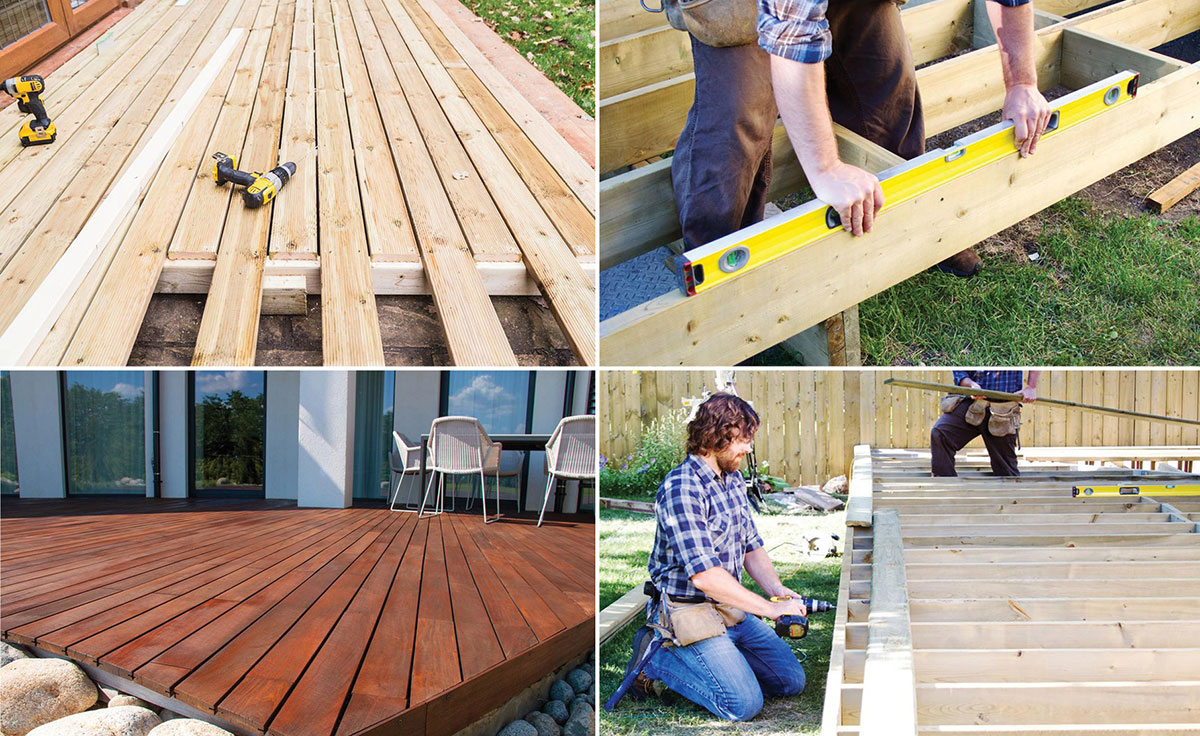
It used to be a simple process to select the material to build a deck because back then, wood was the only choice available. But now Selecting the Best Decking Material are a whole range of options, from the traditional wood to composites, plastic and even aluminum.
Traditionalists will always see wood as the one true decking material, but the new alternatives offer many enticing benefits, including longevity and low maintenance.
With that being the case, it’s important to take your time while researching your choices of decking materials. Exploring all the possibilities may open your mind to a material you’ve never considered before or even known about.
Also, keep in mind not only the costs of decking materials, but the cost of hardware, paint, stain and accessories and the cost of labor, even if you’re building the deck yourself (you may need an expert or subcontractor for plumbing, electricity, concrete, etc., for example).
Here’s information on the different types of deck materials you should consider from thisoldhouse.com, the online platform for the venerable and award-winning television show, “This Old House.”
The original and still most common decking option, wood is natural, strong, easy to install and feels good under bare feet. But it also requires an annual cleaning and can rot, splinter, and warp. Even though all wood naturally weathers to a gray color, it should be cleaned and re-stained every two to three years to keep it looking its best.
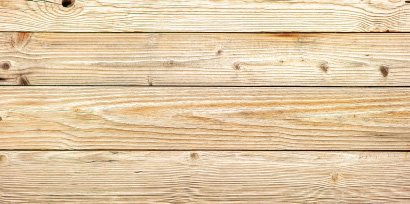
Lasting about 15 years, this is the least expensive type of wood used in decks. Most pressure-treated wood on the West Coast is made from Douglas fir, which is not used for the decking itself, but is mainly used for the substrate that’s underneath the deck you’re building. Douglas fir is often used for timber frame construction and timber trusses using traditional joinery, veneer, and flooring due to its strength, hardness and durability. Paints adhere well to Douglas fir. Stains perform well on Douglas fir timbers with the mild caution that the natural color of this species varies and care must be taken to ensure uniformity of color. Because of the timber sizes available, stamped timber grading, and relatively short lead times, Douglas fir sees wide use in both public and residential projects.
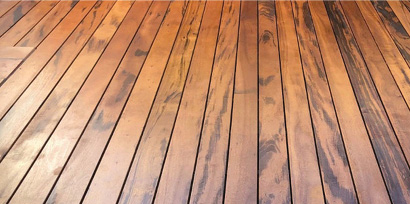
Extremely dense and highly durable, these patio decking materials are rich in color and resistant to insects and decay and last about 25 years. But they are also expensive, heavy, and hard to work with — so hard in fact that you can’t hammer a nail without drilling a hole first. Avoid dark woods if your deck sees a lot of sun during the day because they will heat up like a frying pan.
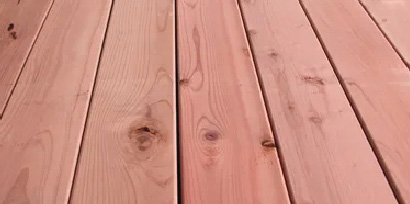
A step up from pressure-treated wood — and costing about three times more — are cedar and redwood. These woods contain natural defenses against rot and insects, and should last around 20 years, but they are soft and easily damaged by foot traffic. Red cedar and redwood are both lightweight and stiff. Lighter-colored Port Orford Cedar is the hardest and most wear-resistant cedar.
Cedar is from the same genus as redwood, so the two have similar properties, but the former is less dense and can flex more without breaking. It also has less natural oil, which makes it easier to stain. Cedar forests are more abundant than redwood forests, making cedar the eco-friendlier and less expensive option.
In the past, redwood was more prized for its rich, red-brown coloring. It’s also the most fire-resistant wood on the market. However, excessive logging has made redwood less available, and what’s on the market today comes from new-growth trees, which aren’t as strong as the old-growth ones that built up redwood’s reputation. Redwood is mostly offered on the West Coast, from where it’s sourced.
Both cedar and redwood need to be power-washed, sanded, and refinished every three years or so. The material can last decades, but like all woods, the sun soon fades their natural color to gray; a sun-blocking stain is required to keep the color sharp. A water-repellent wood preservative can help prevent fine splits from occurring.
Composites are made to look like real wood and come in a wide variety of natural-looking hues and grain patterns. Made by combining a blend of plastic and waste wood fibers, these boards won’t splinter and don’t need to be stained or painted, thanks to a built-in UV resistance.
Composites are more expensive and heavier than most woods and must be scrubbed regularly to prevent mildew, but if you factor in the maintenance costs for a wood deck, the amount you end up spending may turn out to be comparable.
Composites aren’t as stiff as wood, and they move more in response to changes in temperature. Be sure to follow the manufacturer’s installation instructions to the letter. When screwing through the face, use the special fasteners designed to prevent bumps from erupting around screw heads.
Installation is less complicated when the boards have the same texture on both sides. Trex offers a smooth, double-sided finish, while Monarch has a wood-grain finish on either side. This will make it easy when laying the planks, as it can’t be put in the wrong way.
It’s nice to have options. Certainteed makes its Boardwalk decking with a smooth and a wood-grain face. TimberTech’s TwinFinish has a brushed, textured surface and a “VertiGrain” surface, which resembles wood-grain. Their “Earthwood” product is VertiGrain and serrated.
Grooves on the underside of composite decking can make a board lighter without compromising stiffness. Grooves in the edges of a board allow the use of hidden fasteners so no screws are visible on the deck’s face.
Cellular PVC vinyl decking is made entirely from environmentally safe plastic — there’s no wood in it at all. This means that it’s even more durable than composite and will likely last a lifetime. It’s splinter-free and requires almost no maintenance, except for the occasional cleaning. But it doesn’t always look, sound, or feel much like wood.
These decks also have complex fastening systems so the pieces can move as the temperature changes, but they squeak when you walk on them.
The price of PVC decking varies depending on the quality and design of the material, but in general it’s more expensive than composite.
The 1.2”-thick ForeverWood contains hollow channels to maximize stiffness. A hidden rubberized strip helps minimize noise and squeaking. The tongue-and-groove feature makes for easy installation and hides the screws so that you have a neat, uniform look.
DeckoraWood is a similar material, but only 5/8″thick, so it can be placed over existing wood decks or concrete patios. The wood-grain on each material provides extra traction, especially when the deck becomes slick.
With deep grooves on its underside, Eon decking is stiff, strong, and light. No fasteners are visible thanks to a hidden clip system. Its non-slip surface actually becomes less slippery when wet. It comes in six different colors and, for plastic, is a great way to fool your guests into thinking it’s real wood.
While it’s not nearly as popular as the other options, aluminum is actually an ideal material for decking. It’s lighter and stronger than wood, composite, and vinyl, and resistant to mold, weather, and insects. It’s even recyclable — not that you have to worry about that, since an aluminum deck will last forever. All these qualities make aluminum the most expensive decking option of them all.
Wood is the original decking material and still the most common choice for Bay Area projects. It's natural, workable, and — in the right species — well-suited to the local climate. Even though all wood naturally weathers to a gray color, it should be cleaned and re-stained every two to three years to keep it looking its best.
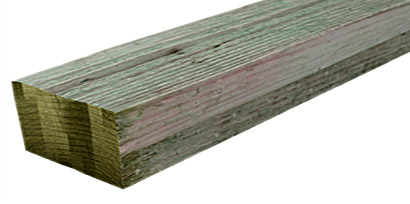
Lasting about 15 years, pressure-treated wood is the least expensive option and the standard for deck substructure on the West Coast. Most is Douglas fir — strong, hard, and durable, used primarily for joists, beams, posts, and ledger boards rather than the surface itself. Paints and stains adhere well. Available at the Truitt & White lumberyard.
Extremely dense and highly durable, tropical hardwoods are rich in color and resistant to insects and decay — lasting about 25 years with minimal maintenance. They are expensive, heavy, and hard to work with; pre-drilling is required for all fasteners. Avoid dark woods if your deck sees significant direct sun, as they will retain significant heat.
A step up from pressure-treated wood, cedar and redwood contain natural defenses against rot and insects and last around 20 years. Redwood is the most fire-resistant wood commercially available — an important consideration for East Bay hills homes in or near WUI zones. Cedar is more eco-friendly and less expensive. Both need power-washing, sanding, and refinishing every three years or so.
Made by combining recycled plastic and wood fiber, modern composite decking resists fading, staining, scratching, and mold far better than earlier generations. Composites cost more upfront than most wood options, but when you factor in no staining, sealing, or refinishing, the lifetime cost is often comparable. In Bay Area fog-belt conditions, the heat-retention concerns common in hotter climates are typically not an issue.
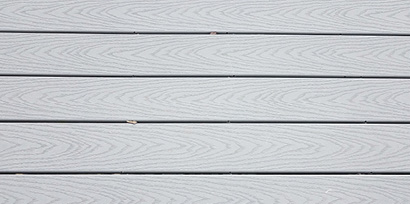
Installation is less complicated when boards have the same texture on both sides — the board can't be placed incorrectly. Trex offers a smooth, double-sided finish on many of its products. Grooved-edge boards are available for use with hidden fasteners for a clean, screw-free deck surface.
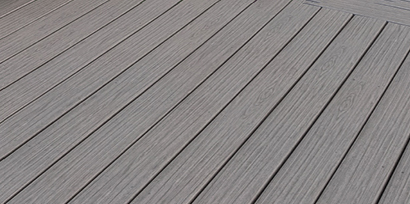
TimberTech's TwinFinish has a brushed, textured surface on one face and a "VertiGrain" wood-grain surface on the other. Their Earthwood product combines VertiGrain with a serrated surface for additional traction. Two texture options on a single board gives installers and homeowners flexibility in the final look.
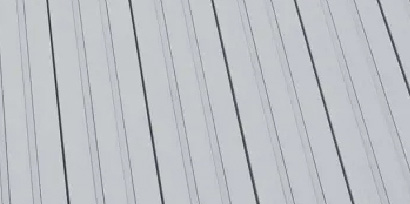
Grooves on the underside of composite decking make a board lighter without compromising stiffness. Grooves in the board edges allow the use of hidden fasteners so no screws are visible on the deck's face — a cleaner look with no maintenance complications from exposed hardware.
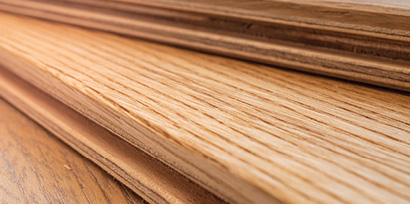
The most recognized name in composite decking. Made from 95% recycled materials. Available in three lines: Enhance (entry), Select (mid), and Transcend (premium). Smooth double-sided finish simplifies installation. Grooved-edge boards available for hidden fasteners.
One of the broadest and most performance-focused composite lines available. AZEK and PRO series feature capped polymer construction with exceptional resistance to moisture, staining, fading, and scratching. TwinFinish technology. Carries some of the strongest warranties in the composite category.
Cellular PVC decking is made entirely from plastic — there's no wood in it at all. More durable than composite and likely to last a lifetime. Splinter-free, requires almost no maintenance. The trade-off: it doesn't always look, sound, or feel much like wood, and some products squeak when walked on. Generally more expensive than composite. ForeverWood (1.2" thick) features hollow channels and a hidden rubberized strip to minimize noise; DeckoraWood (5/8" thick) can be placed over existing wood decks or concrete patios.
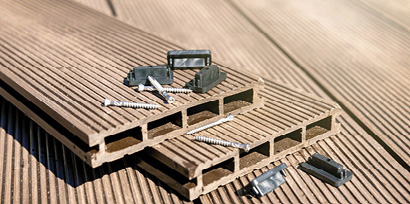
Eon decking features deep grooves on its underside for stiffness and a hidden clip system that eliminates visible fasteners. Its non-slip surface becomes less slippery when wet. Available in six colors.
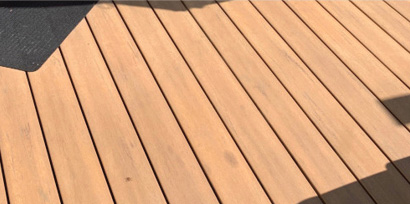
While not nearly as common, aluminum is an ideal material for specialized applications. Lighter and stronger than wood, composite, and vinyl; resistant to mold, weather, and insects; and essentially lasts indefinitely. These qualities make aluminum the most expensive decking option — best suited for commercial applications, rooftop decks, or projects where fire resistance and extreme durability are the primary drivers.
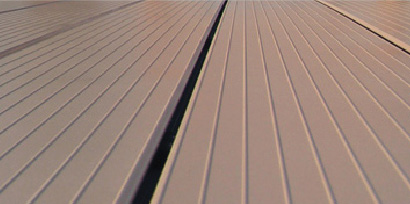
Thermally modified wood uses heat — typically above 400°F — to permanently alter the wood's cellular structure, driving out moisture and the compounds that feed rot and insects. The result is a product that is dramatically more stable and decay-resistant without chemical preservatives. It looks, feels, and works like natural wood — because it is natural wood.
Engineered bamboo performs like a hardwood but grows to harvest maturity in five to seven years — one of the most renewable decking materials available. MOSO Bamboo Decking is made from Moso bamboo, the largest and densest bamboo species, processed into dimensionally stable boards with hardness and density comparable to many tropical hardwoods.
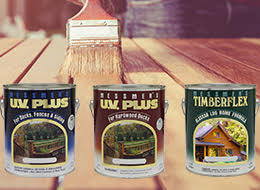
For wood decks — redwood, cedar, tropical hardwood, and thermally modified wood — Messmer's penetrating oil finishes protect against UV, moisture, and weathering without forming a surface film that can crack and peel. One of the best wood care lines available for Bay Area conditions. Interested in learning more? Contact us.
Visit our Messmer's Page| Material | Lifespan | Maintenance | Relative Cost | Bay Area notes |
|---|---|---|---|---|
| Pressure-Treated Wood | ~15 yrs | Moderate | Low | Best for substructure; limited as deck surface |
| Redwood Heart | 20–25 yrs | Moderate | Moderate | Natural fire resistance; ideal for East Bay hills |
| Cedar | 20 yrs | Moderate | Moderate | Eco-friendly; more available than redwood |
| Fijian Mahogany | 25+ yrs | Low | High | Premium hardwood for high-end projects |
| IPE | 25–40 yrs | Low | High | Maximum durability; rooftop & dock applications |
| Batu | 20–25 yrs | Low–Mod | Moderate | Hardwood performance at more accessible price |
| Trex (Composite) | 25+ yrs | Low | Mod–High | Excellent for fog-belt; 95% recycled content |
| TimberTech (Composite) | 25+ yrs | Low | High | Broadest product line; strongest warranties |
| Thermory | 25+ yrs | Low–Mod | High | Natural wood + enhanced performance |
| MOSO Bamboo | 20–25 yrs | Low–Mod | Mod–High | Sustainable; hardwood-level density |
We carry a curated selection of the best decking materials for Bay Area projects — available at our Berkeley lumberyard with local delivery to Oakland, San Francisco, and the East Bay.
Visit our Berkeley lumberyard at 642 Hearst Ave or call 510-841-0511. Local delivery to Berkeley, Oakland & San Francisco.
Ⓒ 2024 Truitt & White